Heat Pumps and Your Home: What to Consider Before Upgrading

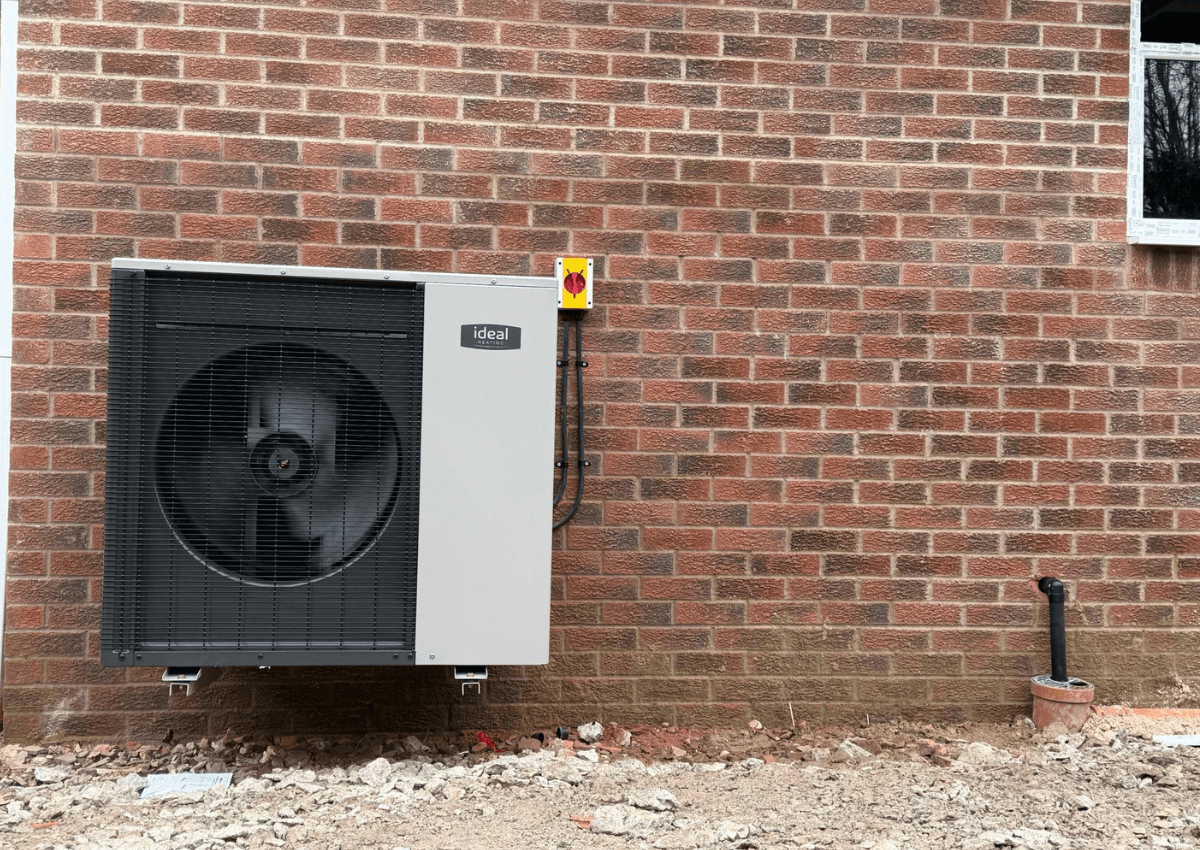
Air source heat pumps (ASHPs) are rapidly becoming a go-to solution for low-carbon, efficient home heating. But before you take the leap, it’s worth understanding the key factors that influence how well they’ll work for your property and lifestyle.
1. Heating System Compatibility
Heat pumps work most efficiently at lower water temperatures compared with traditional boilers. That means they pair best with:
• Underfloor heating
• Larger radiators designed for low-temperature flow
This ensures warmth is delivered evenly and efficiently — key for comfort and running cost benefits.
2. Insulation and Heat Loss
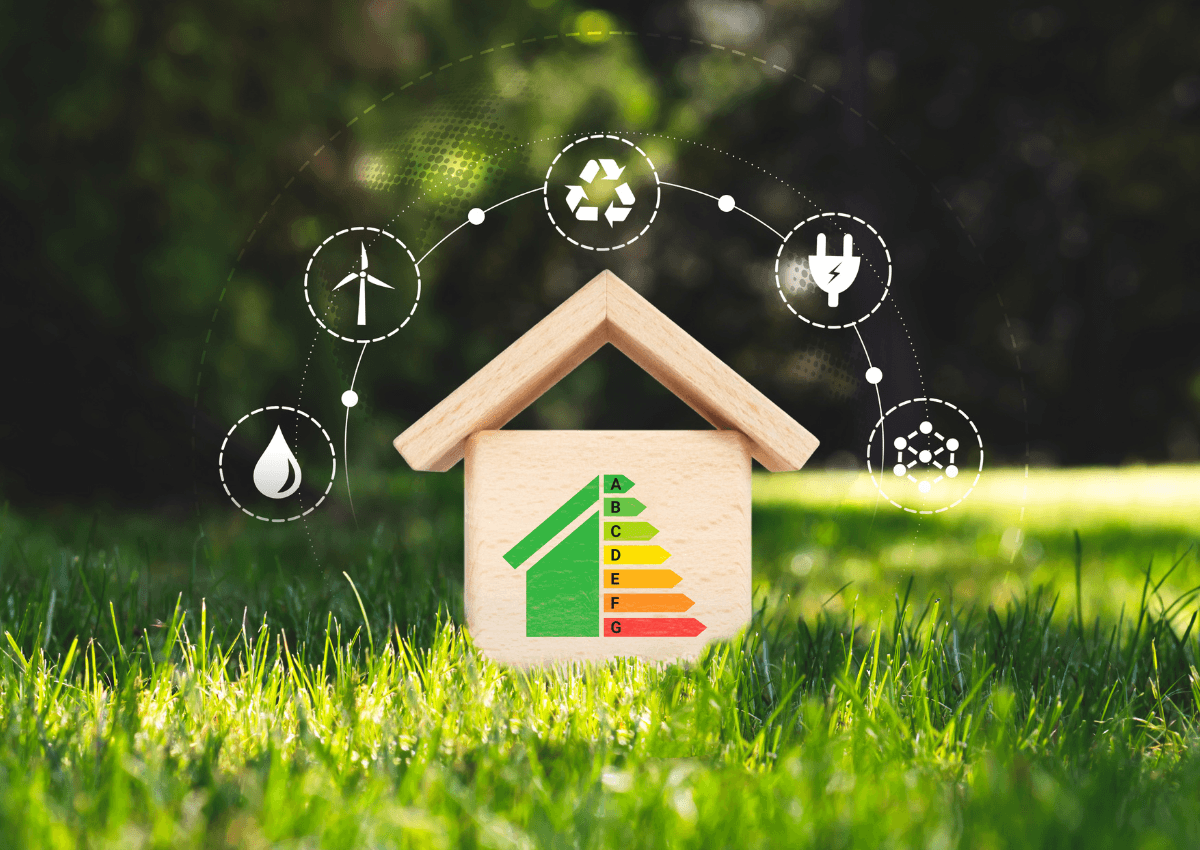
A well-insulated home reduces heat loss, allowing your heat pump to run less and maintain comfort. Simple upgrades like loft, wall, and floor insulation help your new system work smarter — not harder.
3. Annual Running Costs vs Upfront Costs
ASHPs typically have higher upfront installation costs than traditional boilers, but:
• Lower ongoing running costs
• Lower carbon emissions
• Often better performance in modern builds
Government incentives like the Boiler Upgrade Scheme have helped make installations more affordable — and even with changes to support levels, planning ahead can still deliver long-term savings.
4. Seasonal Performance
Heat pumps extract heat from the air even in cooler weather, making them suitable for UK winters. Modern technology and correct sizing help ensure consistent performance year-round without dramatic cost spikes.
5. Whole-Home Planning
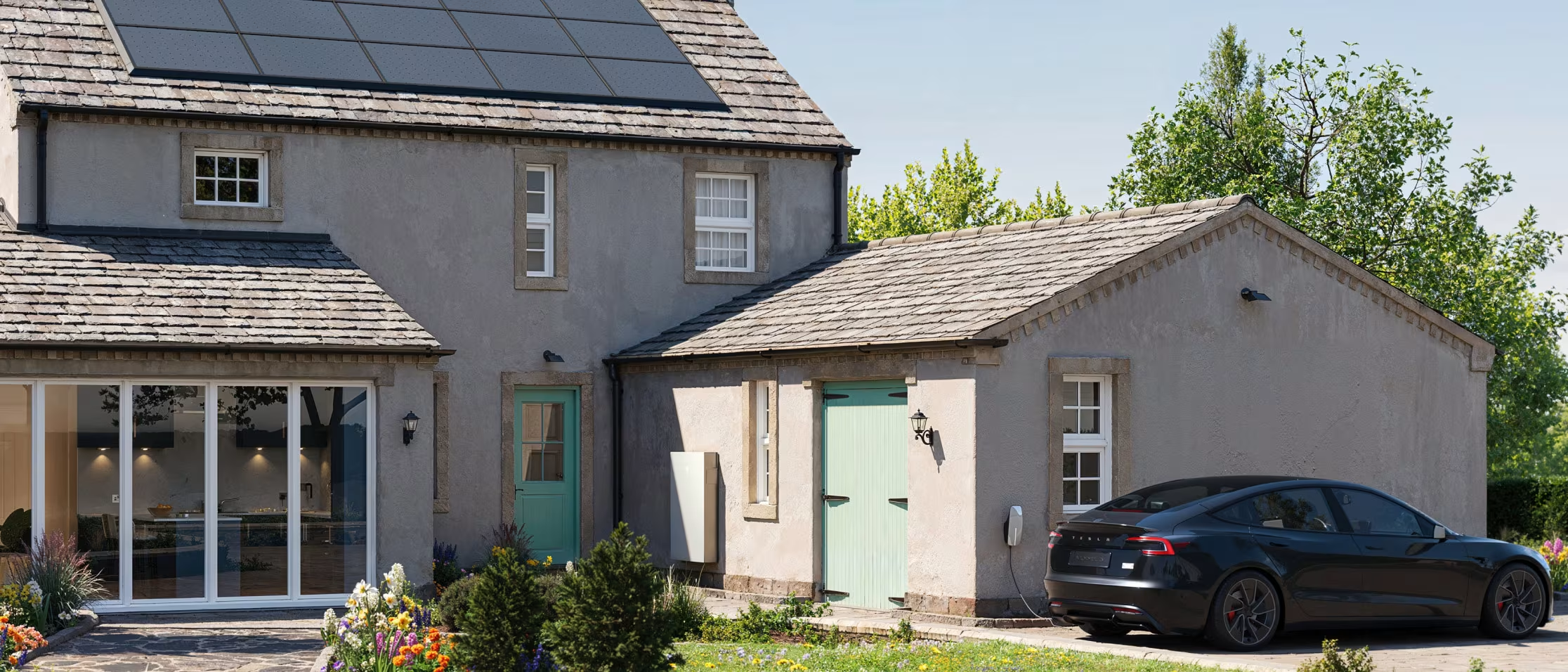
For many homes, combining heat pumps with other renewables — like solar and battery storage — can maximise efficiency and comfort while lowering bills. A tailored system ensures each component complements the others.
Conclusion
Heat pumps are a compelling low-carbon heating option, but the key to success lies in thoughtful planning: matching technology to home characteristics, considering insulation, and understanding how performance fits your energy habits. With the right approach, a heat pump can be a central part of a smarter, more sustainable home.