Is Battery Storage Worth It Without Solar Panels?

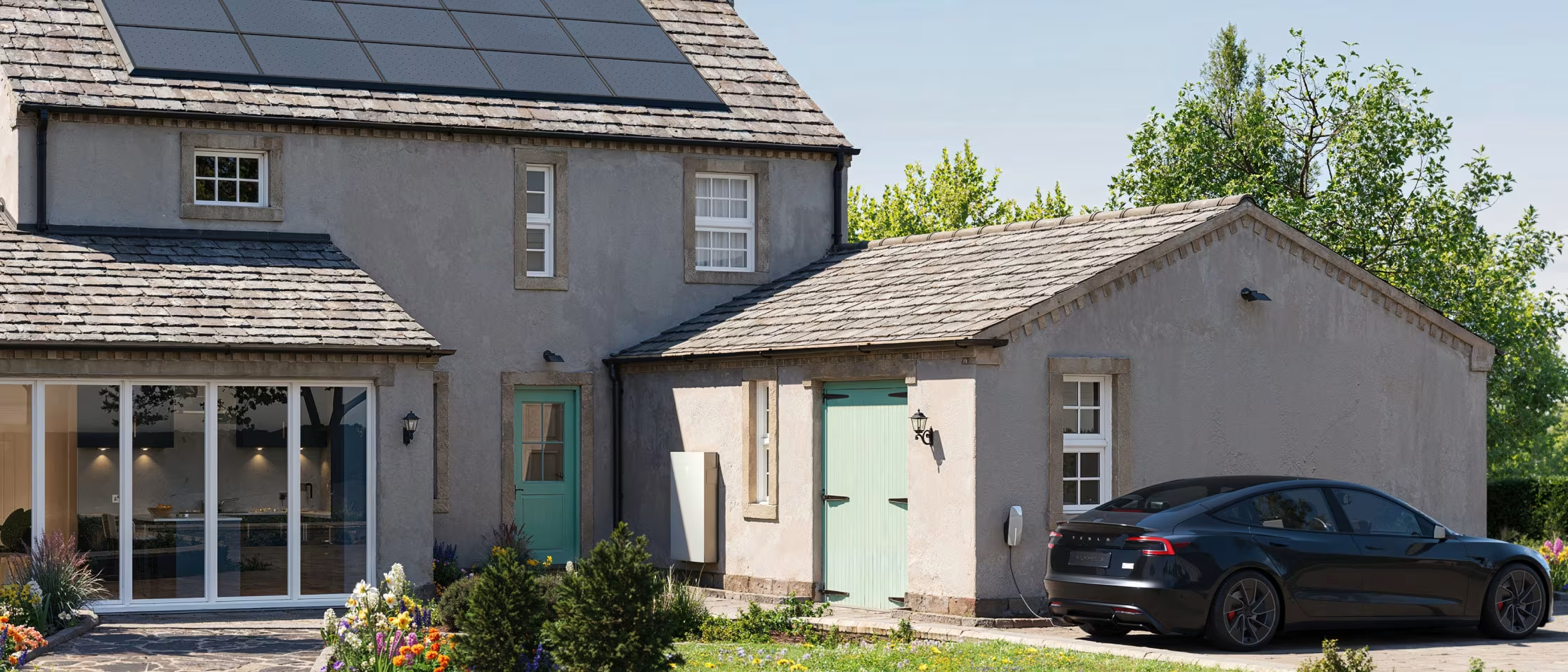
Battery storage and solar panels are often talked about together. Solar generates electricity during daylight hours, while a battery allows you to store surplus generation and use it later.
But what if you don’t have solar panels?
Can you still install a home battery, and could there be benefits to doing so?
The short answer is yes. Home battery storage doesn’t necessarily require solar panels to operate.
How Does Battery Storage Work Without Solar?
Without solar panels, a home battery can charge using electricity supplied by the grid.
Depending on your electricity tariff and system setup, this can provide greater flexibility over when you purchase and use electricity.
For example, households with an appropriate time-of-use tariff may be able to charge their battery when electricity is cheaper and use the stored energy during more expensive periods.
The potential savings will depend heavily on your tariff, energy consumption and battery setup.
Why Would You Install a Battery Without Solar?
There are several reasons homeowners might consider standalone battery storage.
One is greater control over energy usage. Instead of relying entirely on electricity from the grid at the exact moment you need it, stored energy gives you another option.
Another is preparation for future improvements.
You may want battery storage now but plan to add solar panels at a later date. Designing the system with future expansion in mind could make it easier to integrate solar when you’re ready.
What About Backup Power?
Some battery systems can provide backup electricity during a power cut when installed and configured appropriately.
However, this shouldn’t be assumed with every home battery.
Backup capabilities differ between products and installations, so if maintaining power during an outage is important to you, this needs to be discussed during the system design stage.
Is a Battery Better with Solar?
For many homeowners, solar and battery storage are a natural pairing.
During the day, solar panels can generate more electricity than the property is using. Instead of immediately exporting that surplus electricity, a battery can store some of it for later.
You could then use stored solar energy during the evening, when household demand may be higher but your panels are producing little or no electricity.
This can help increase the proportion of your own solar generation that you use at home.
What About an EV or Heat Pump?
This is where thinking about your whole-home energy system becomes particularly useful.
A household’s electricity requirements can change significantly after installing an electric vehicle charger or moving from fossil-fuel heating to a heat pump.
Battery storage can form part of a wider system incorporating:
- Solar panels
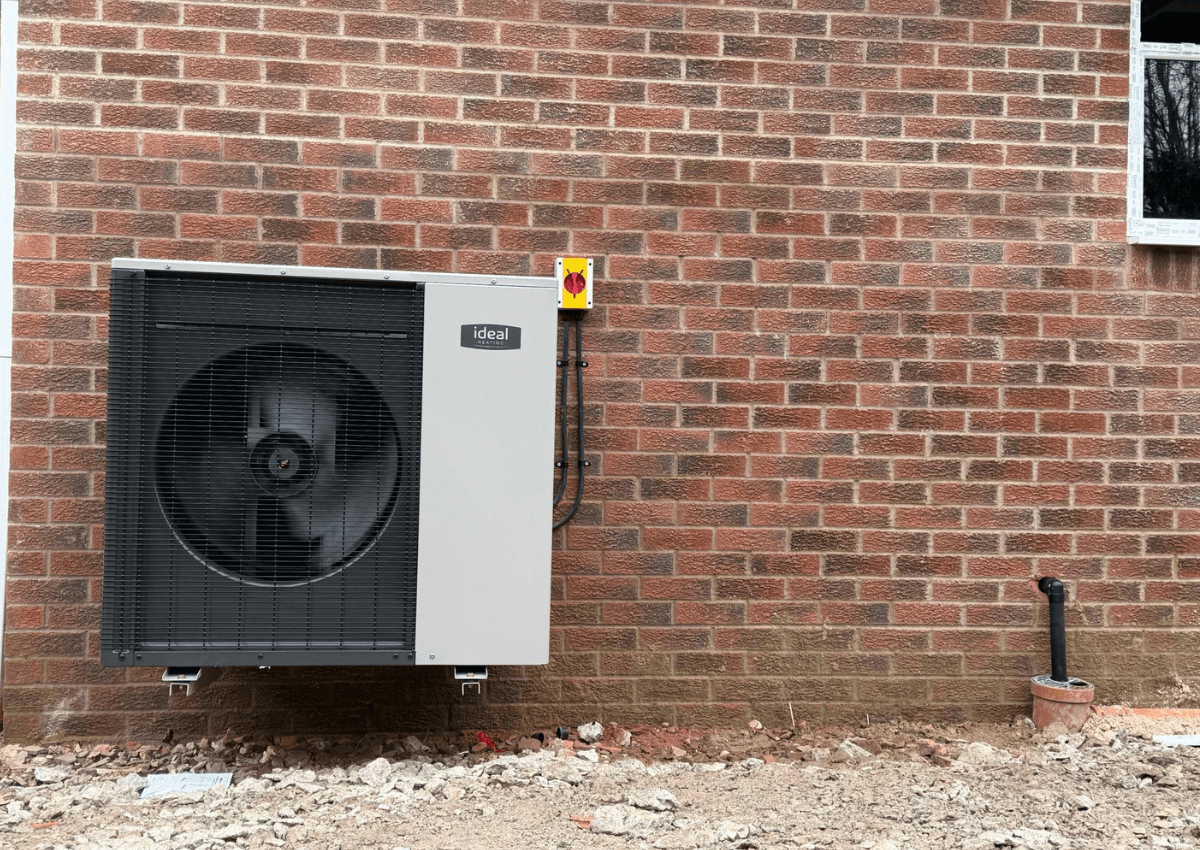
- Air source heat pumps
- EV charging
- Smart energy controls
- Time-of-use electricity tariffs
Rather than considering each technology in isolation, planning how they could work together can help create a system suited to your current and future energy needs.
Is Standalone Battery Storage Right for Every Home?
Not necessarily.
Whether battery storage makes financial and practical sense depends on factors including your electricity consumption, tariff, when you use electricity and what you want the battery to achieve.
That’s why it’s worth assessing your individual circumstances rather than choosing a battery simply based on its capacity.
Planning for the Future
Home energy is changing rapidly, and batteries give homeowners another way to manage when and how they use electricity.
While solar and battery storage remain a strong combination, you don’t necessarily need solar panels to benefit from a home battery.
At Warmaway, we can look at your wider home energy requirements and recommend a system designed around how you actually use energy – whether that’s battery storage alone or as part of a wider solar, heating and renewable energy solution.