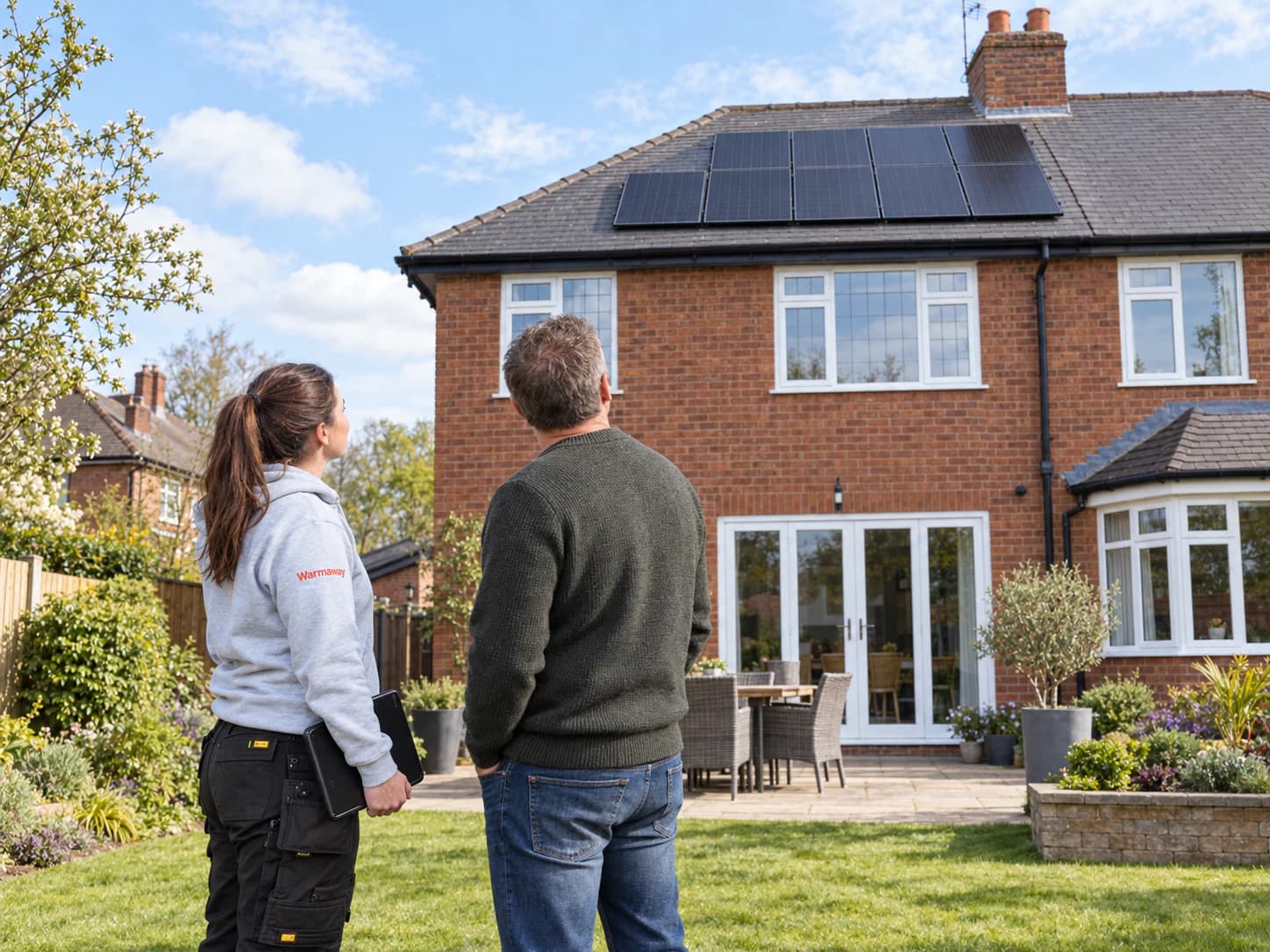
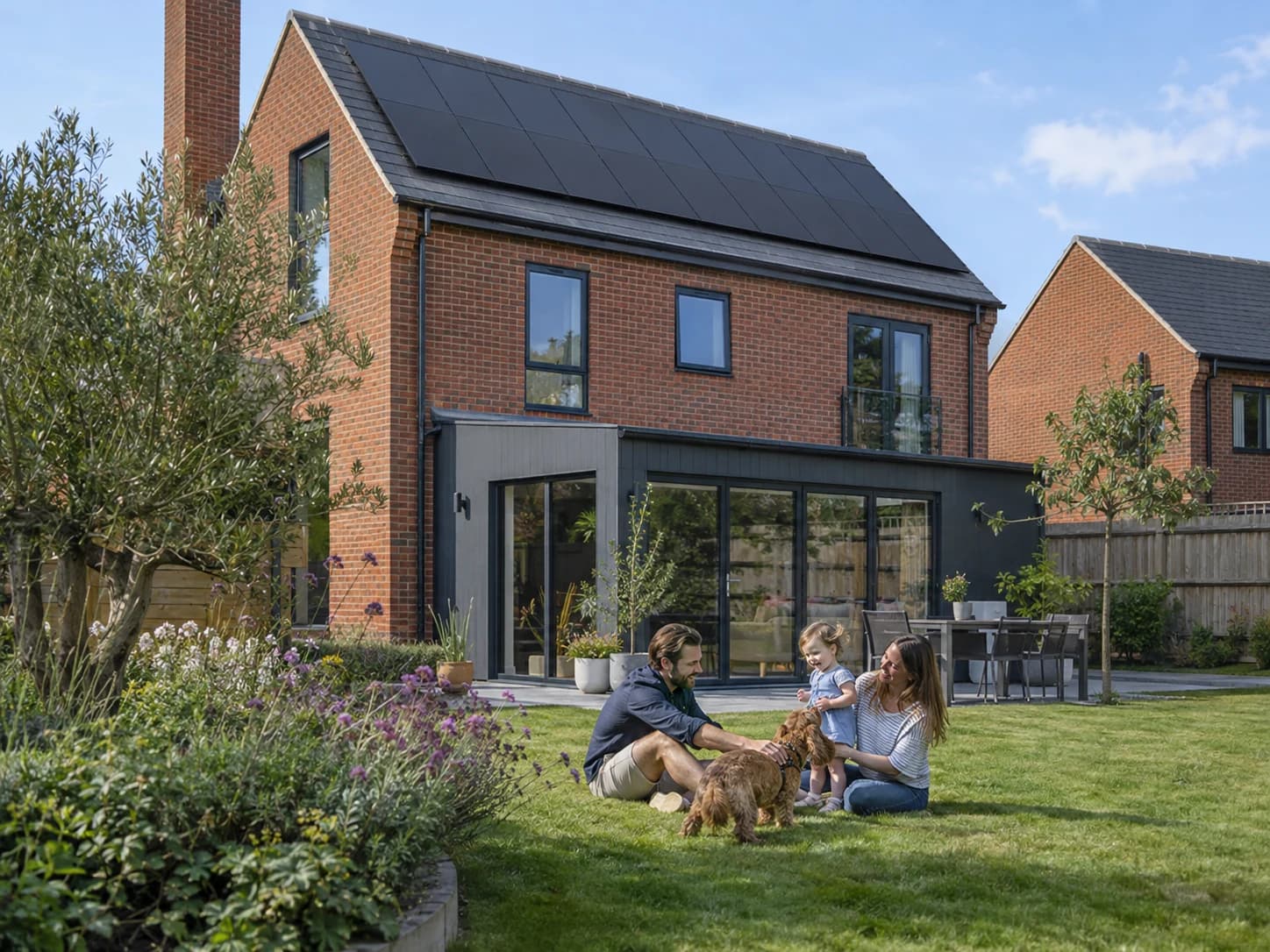
Use your own generation
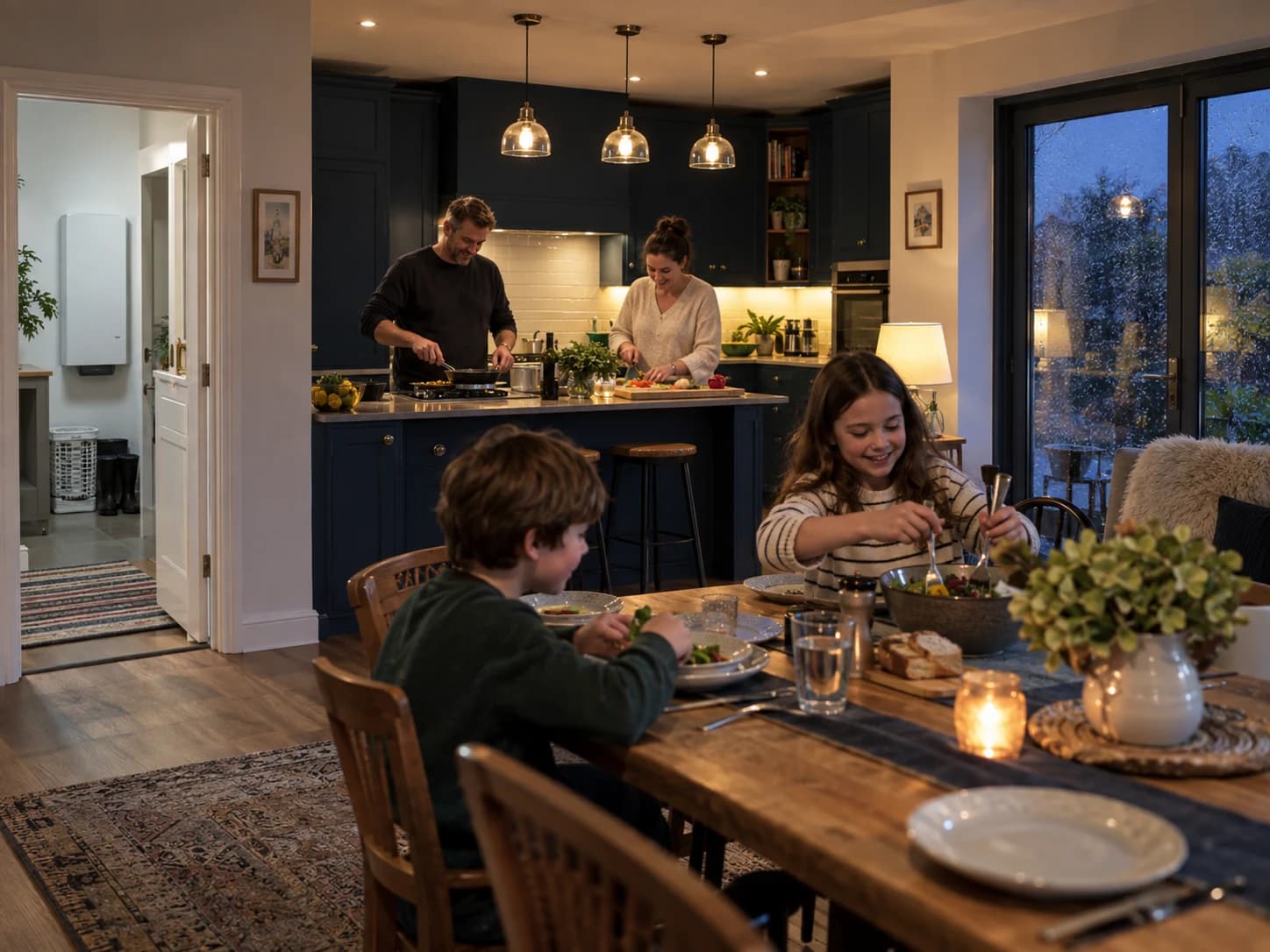
Power daytime appliances and reduce the electricity drawn from the grid when solar is available.
Make daylight part of everyday life · Three sensible starting points
Good solar design starts with what the roof can produce and when the home uses electricity. A future battery, EV or heat pump should shape the plan from the start.
Power daytime appliances and reduce the electricity drawn from the grid when solar is available.
Allow for a future battery, EV charger or heat pump instead of treating solar in isolation.
Monitoring turns generation into something the household can understand and act on.
Generate electricity in daylight and use it directly in the home, with eligible surplus exported. Often strongest where daytime use can align with generation.
Store some unused daytime generation for later in the day. Battery size should follow the household load—not simply the panel count.
Install solar now while planning inverter, electrics and space for later additions. Useful when an EV, battery or heat pump is likely but not immediate.
Design around roof and demand
There is no universal package. Roof area, budget, consumption and future plans decide which route gives the most useful system.
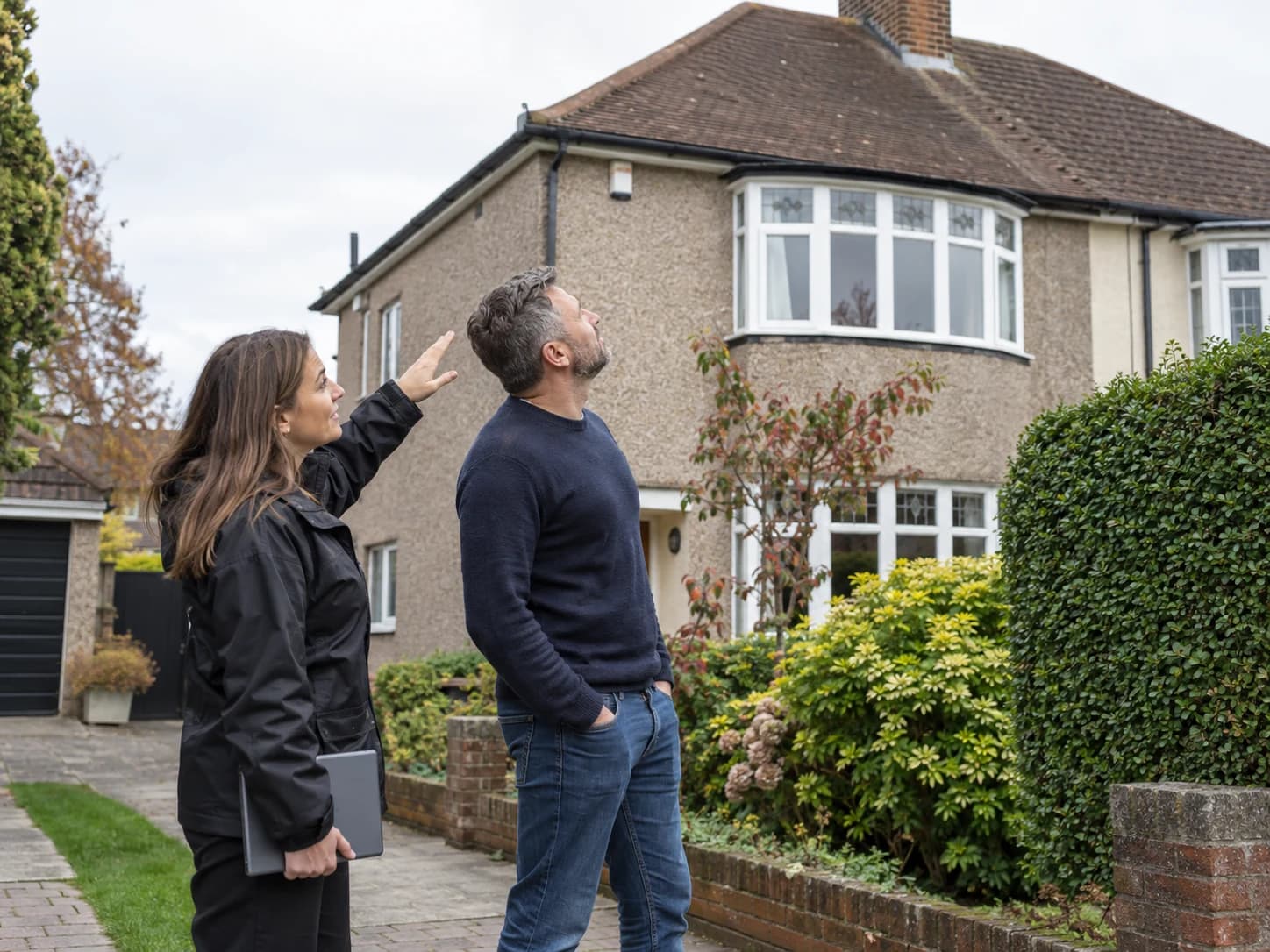
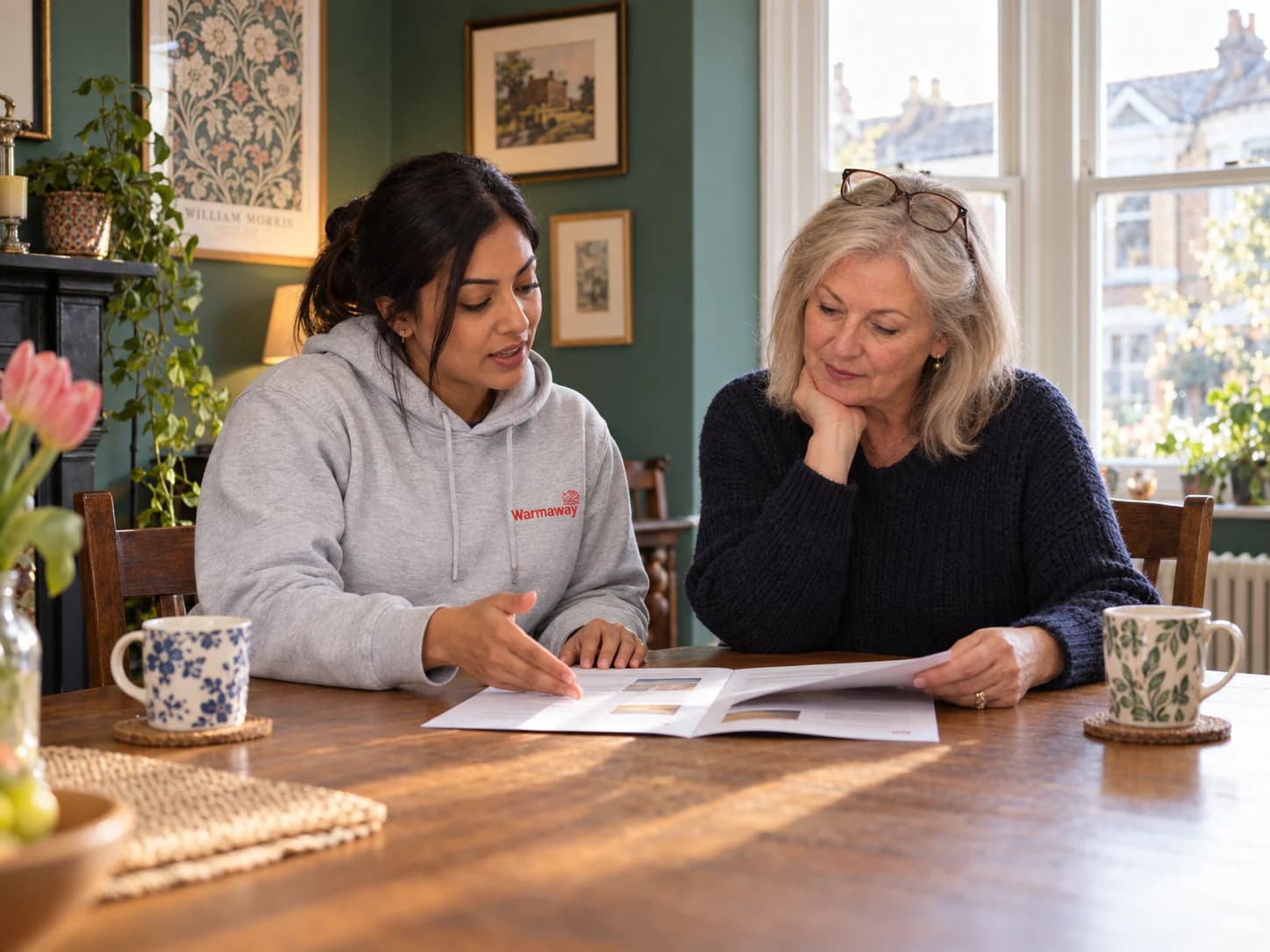
Panel count is not the only decision. Roof orientation, shading, usable area, electrical supply and when the household uses electricity all shape the right design.
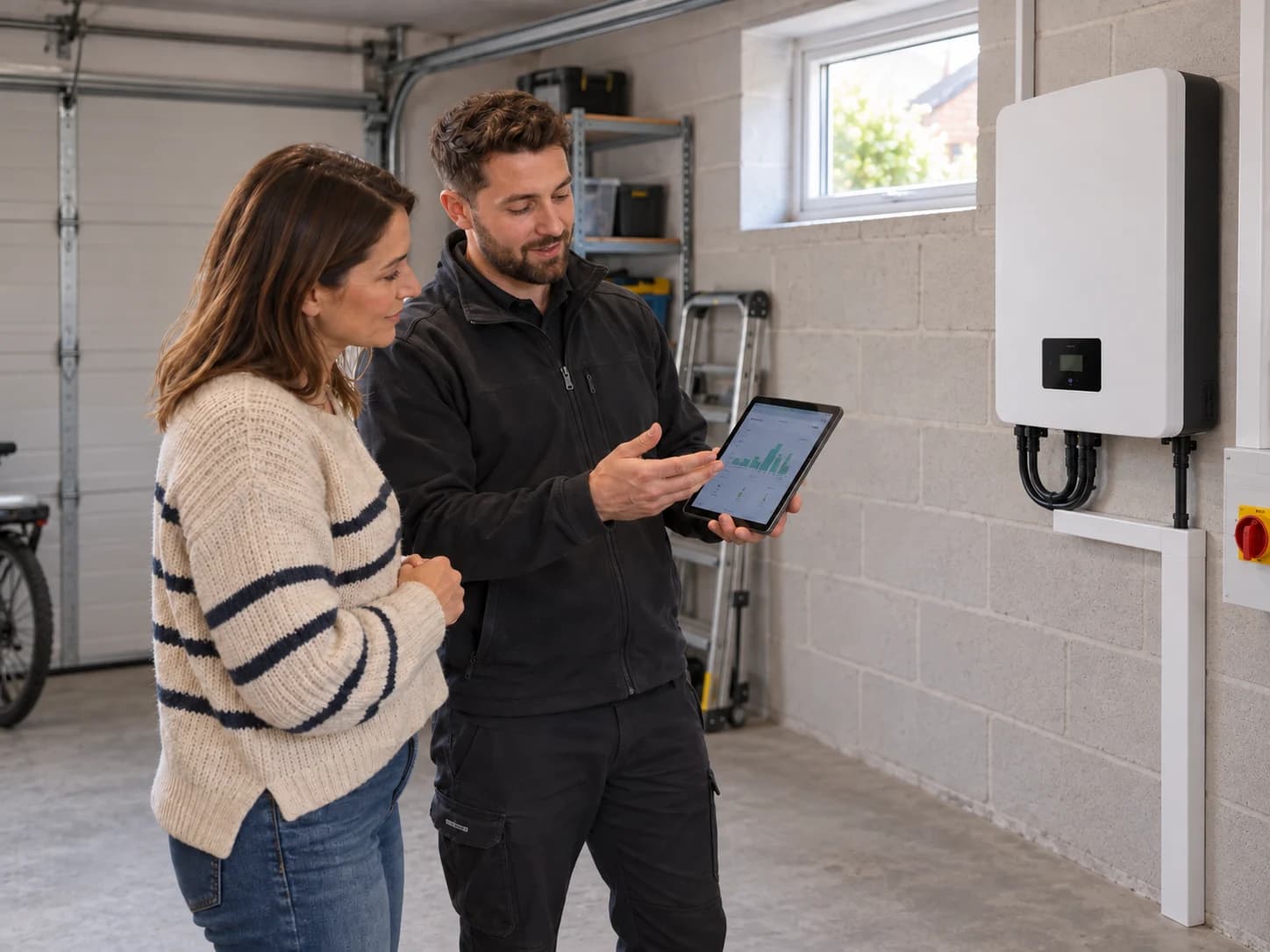
Battery storage, an EV charger or a heat pump can change the value of solar generation. Warmaway considers current use and future plans before specifying the system.
Solar PV can reduce grid electricity use and eligible exported generation may be paid through a Smart Export Guarantee tariff. Rates and requirements depend on the chosen energy supplier.
Solar & battery
Support is not limited to one grant. VAT relief, export payments and local funding can all influence the cost and choice.
Applies to qualifying residential solar-panel and electrical battery-storage installations until 31 March 2027.
Eligible systems can receive payments for surplus electricity exported to the grid. Tariffs and eligibility vary by supplier.
May include solar panels for eligible lower-income households in England, subject to the property and available local funding.
A property-led answer
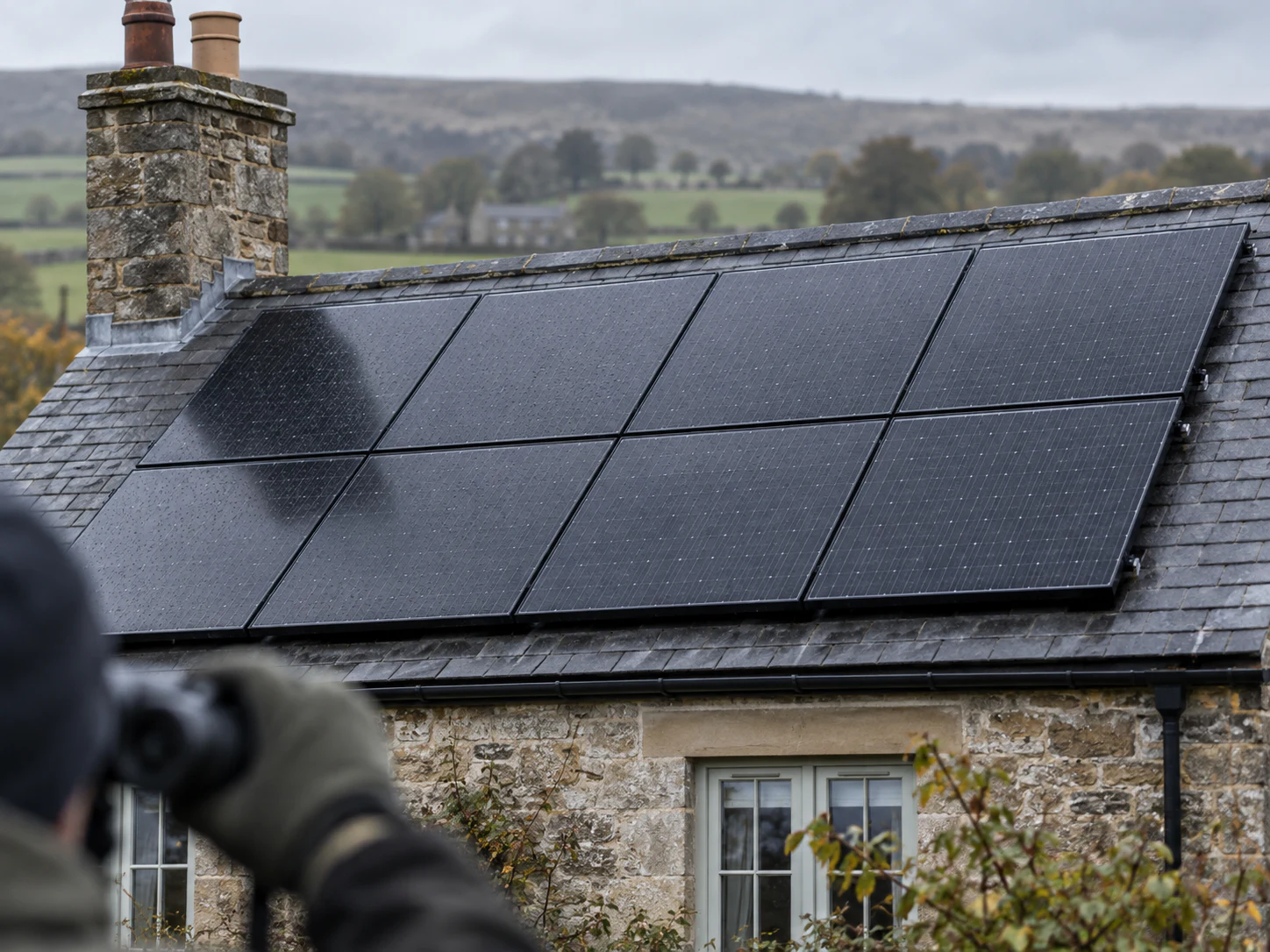
Solar works in daylight, including cloudy conditions, but generation varies by season, orientation and shading. The design should be based on the specific roof rather than a headline panel number.
Survey to switch-on
Solar only, solar with a battery, or a design ready to grow later.
Share the property, roof and recent electricity use.
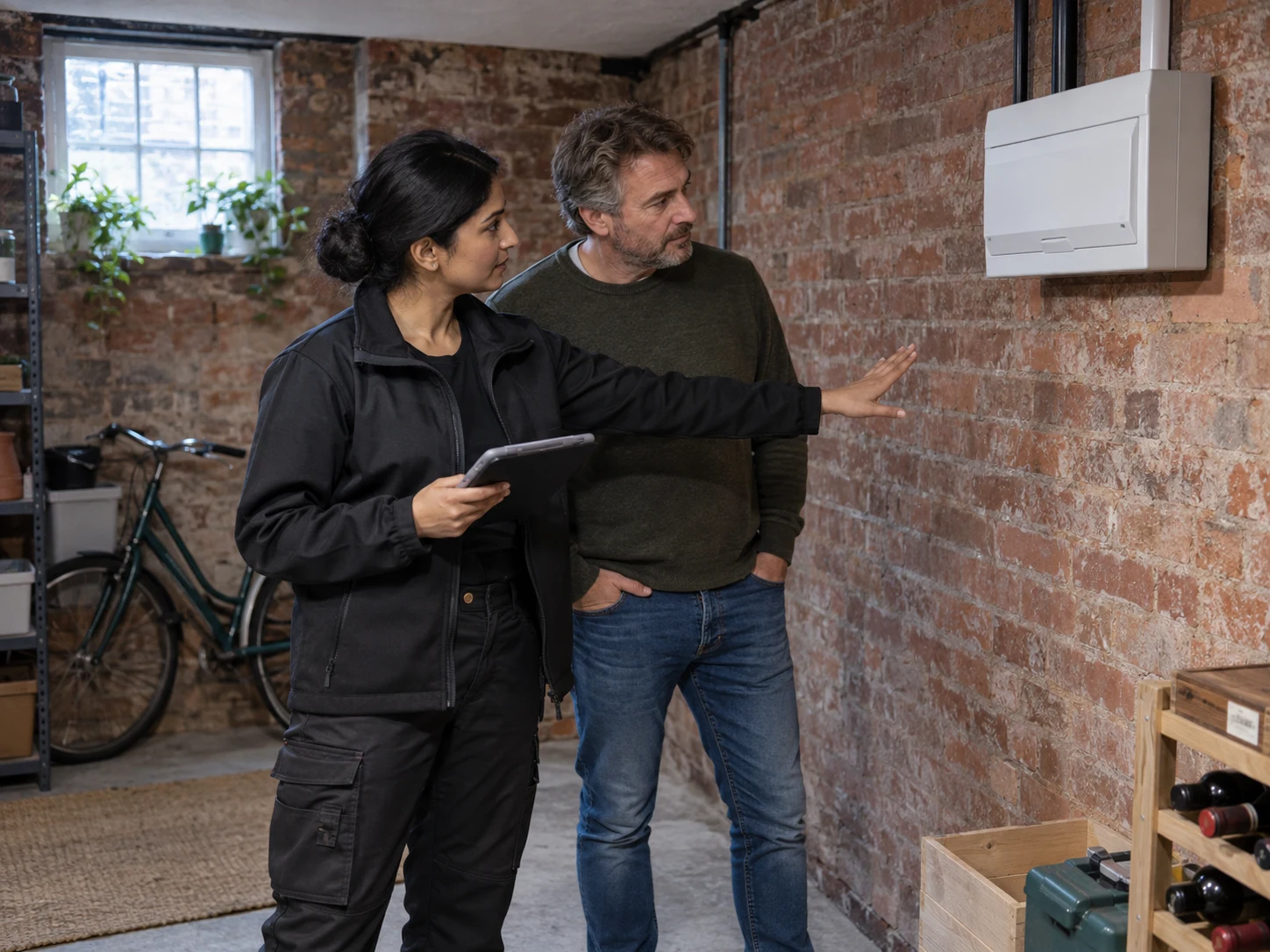
We assess roof, shading, electrics and equipment location.
Generation estimates, equipment and price are explained.
The system is commissioned and monitoring is explained.
Designed before it is sold
A responsible quotation connects a roof layout to an explainable generation estimate and shows how the equipment fits into the property.
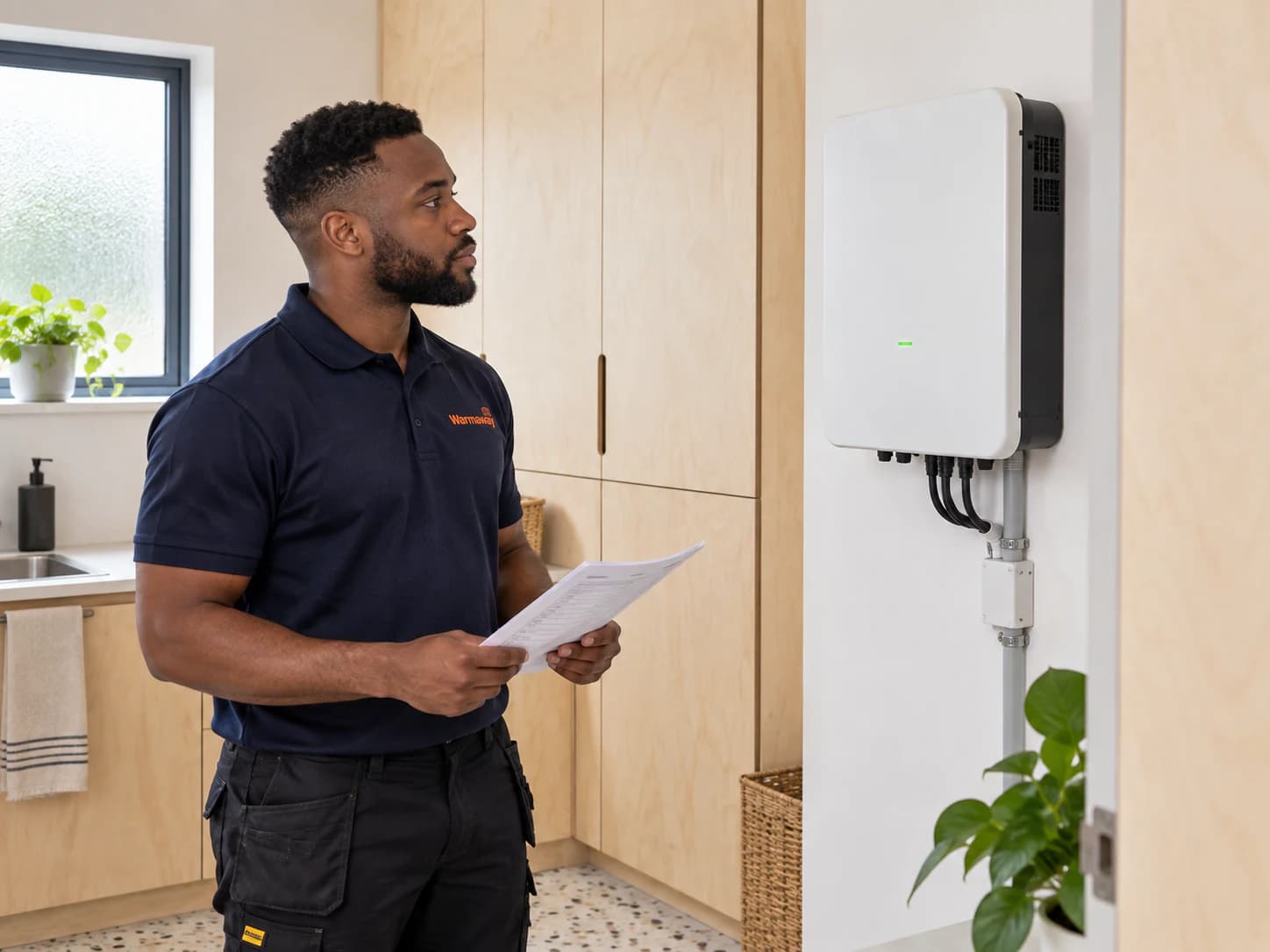
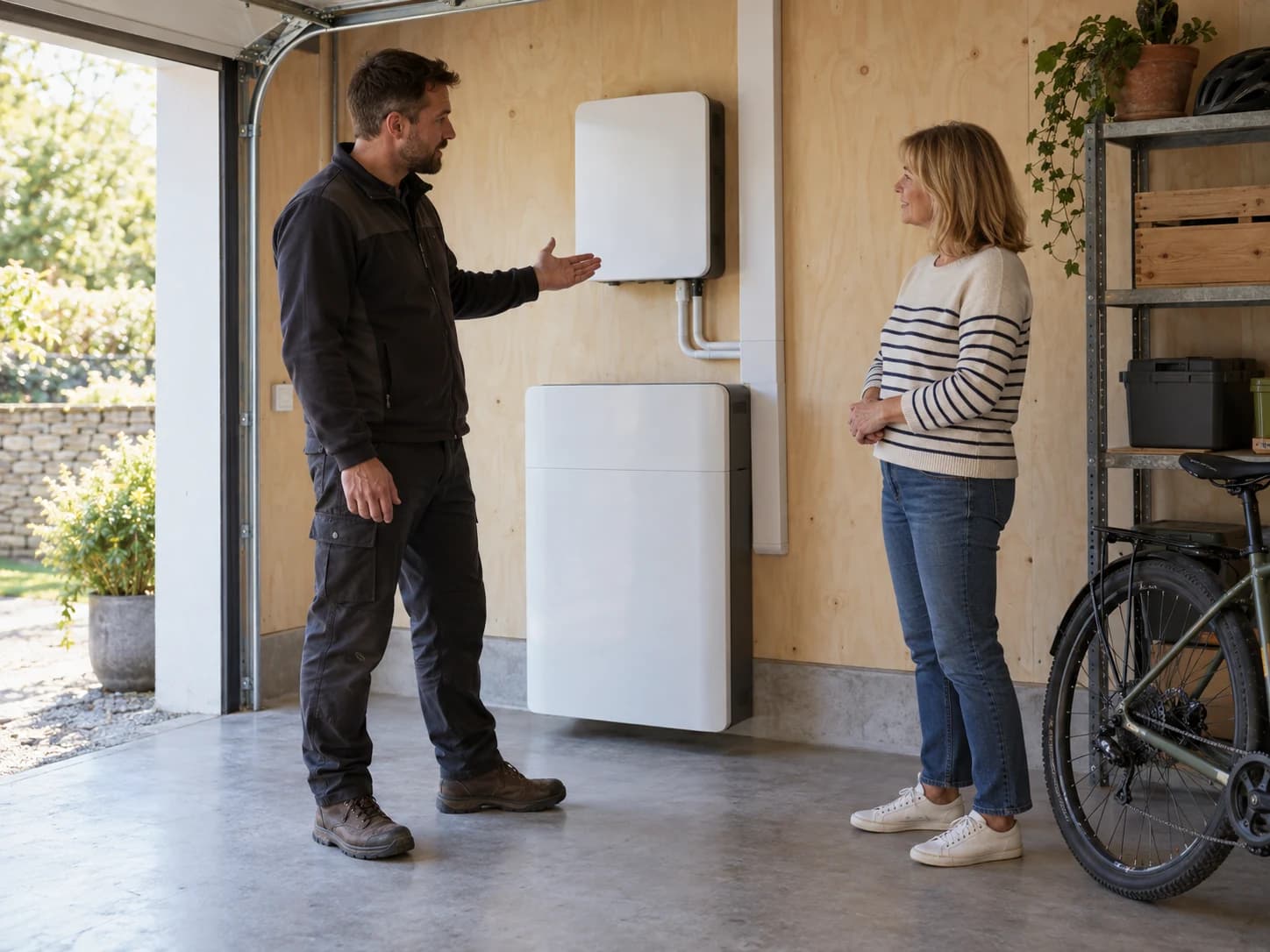
A complete project
Questions, answered simply
Yes. Solar PV can generate in daylight without direct sunshine, although output varies with light levels, season, orientation and shading.
It depends on how much electricity you use, when you use it, tariffs and what you want the system to achieve. Warmaway can model both options.
Usually not on their own. Solar can reduce grid use, while seasonal generation, evening demand and high-power appliances still matter. A battery can shift some energy, but the proposal should not promise complete independence.
It can be exported to the grid. Eligible systems may receive payments through a Smart Export Guarantee tariff, with rates and requirements set by the chosen supplier.
Can’t find what you’re looking for? View our FAQ support page.